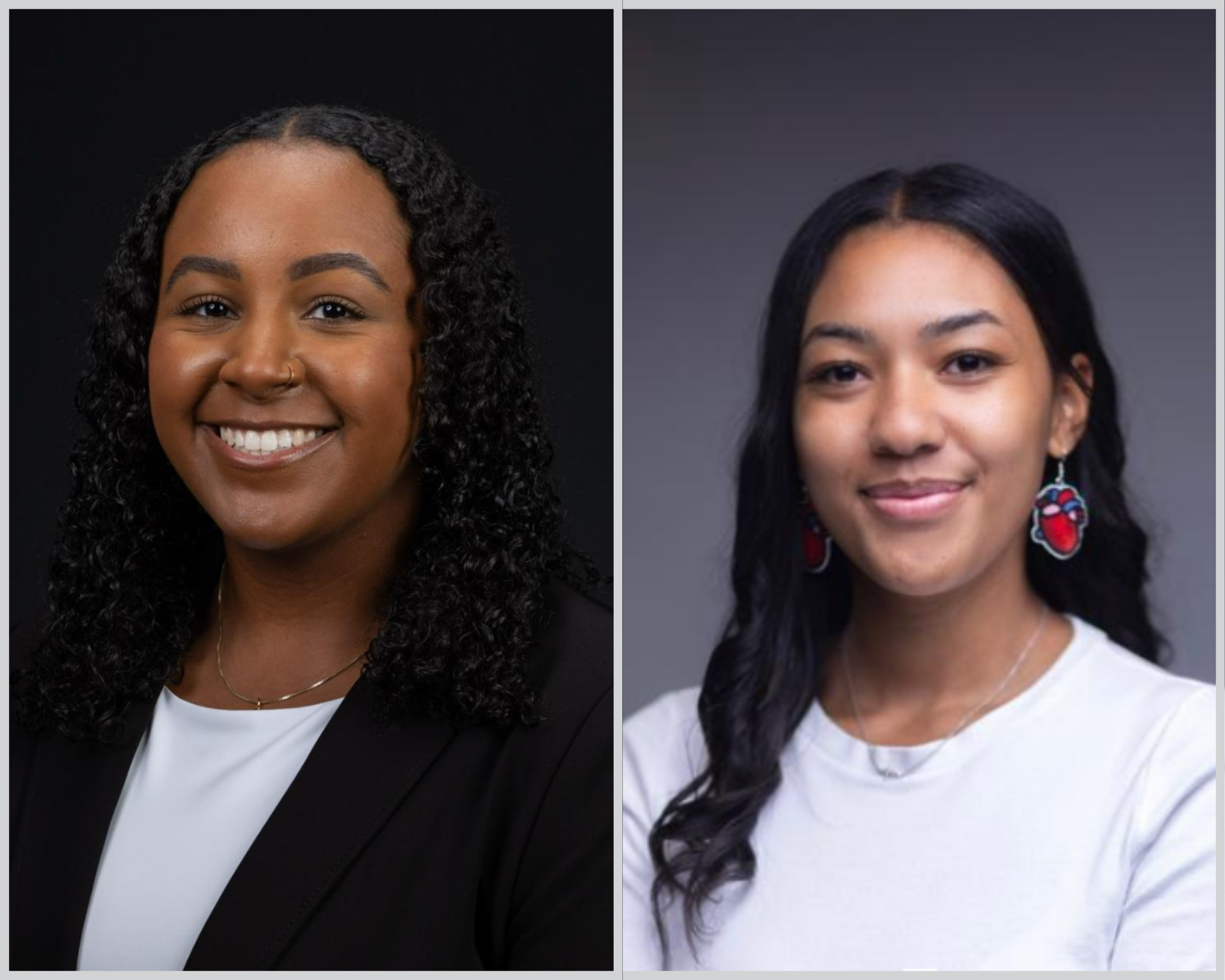
Beyond September 30: Black and Indigenous Voices in Medicine
Beyond September 30: Black and Indigenous Voices in Medicine
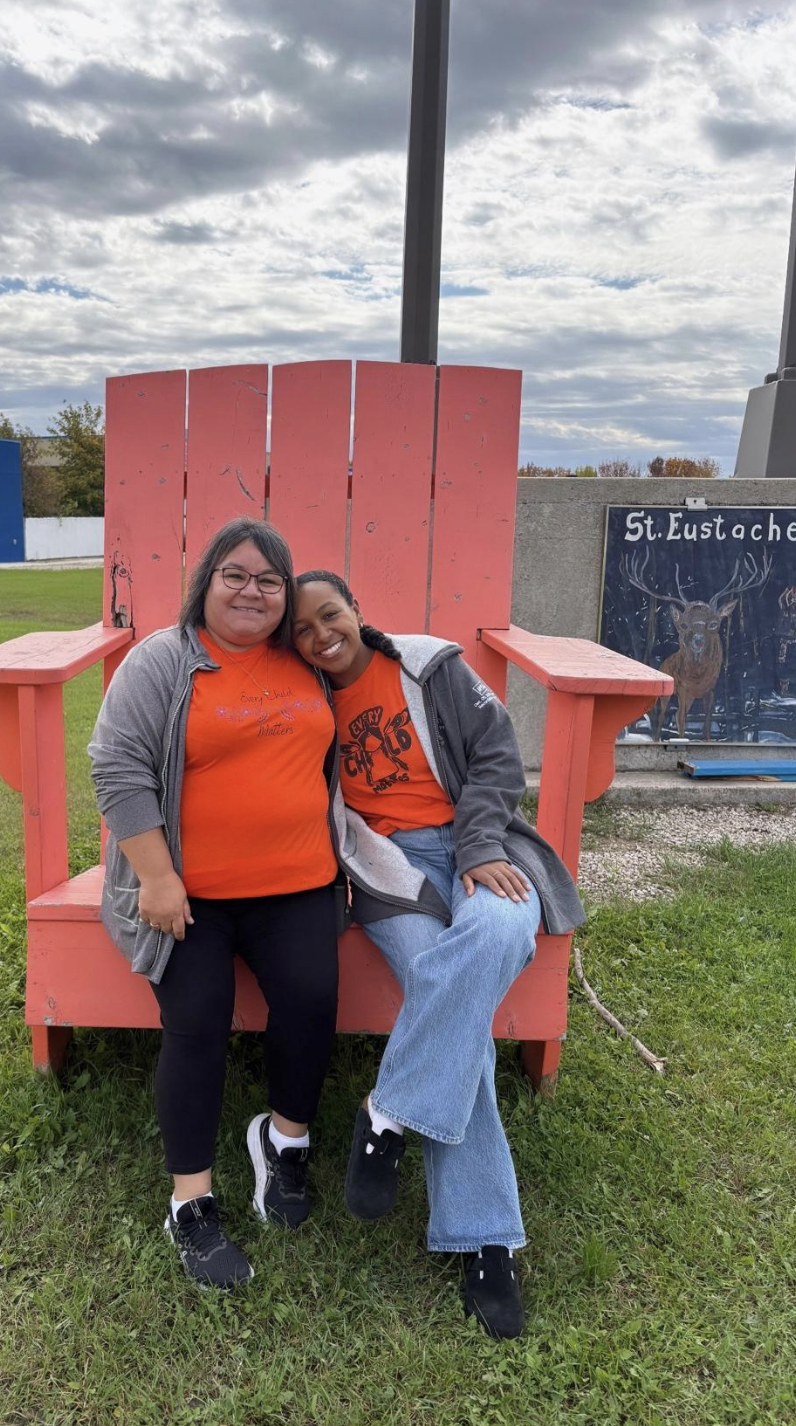
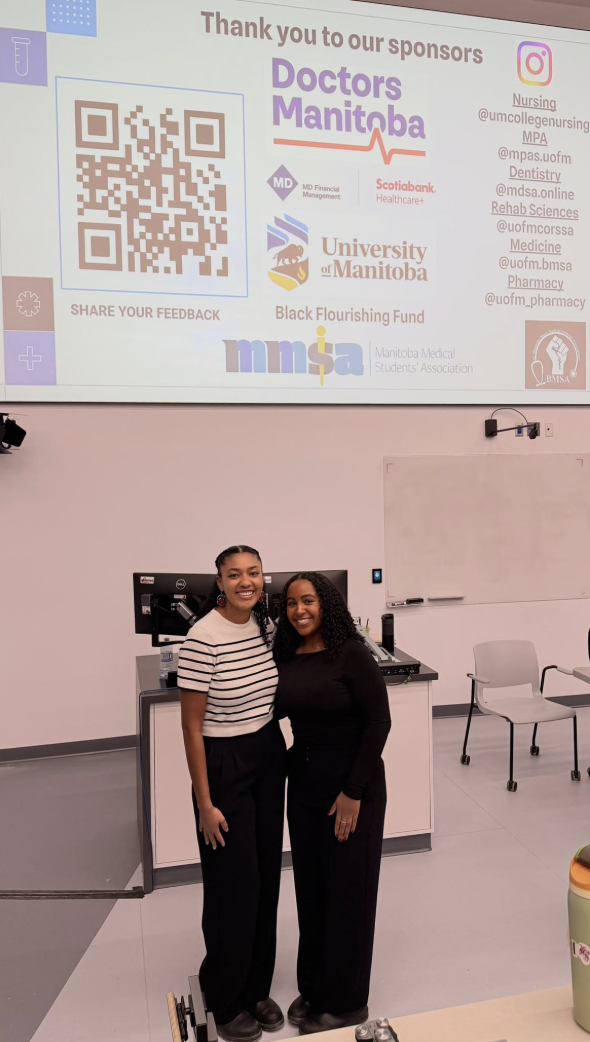
Hey everyone! My name is Kianna Brown, and I am a fourth-year medical student at the University of Manitoba. I am First Nations on my mom’s side and Jamaican on my dad’s side. I am Ojibwe and a proud member of Minegoziibe Anishinabe, or Pine Creek First Nation, here in Manitoba.
4th Year, University of Manitoba
“It isn’t about needing to be ‘enough.’ It is about the relationships I have with my family and communities, the stories, experiences and teachings I carry with me, and the responsibilities I have because of them.”
1. What does holding both Black and Indigenous heritage mean to you?
It is an incredible honour to be both Black and Indigenous. My identity connects me to two communities, two histories, and generations of strength and resilience that have truly shaped who I am today.
At the same time, growing up, I often found that belonging to these two communities could feel complicated. Growing up away from my community, there were times when I questioned whether I was “Indigenous enough,” just as there were times when I wondered whether I was “Black enough.” When you exist between different communities, it can be easy to feel as though you need to prove that you belong to either one.
As I have gotten older, I have come to understand how important it is to feel connected to the people and communities that are part of who you are. There is something powerful in recognizing yourself in others, in sharing experiences that do not need to be explained, and in knowing that you belong without having to prove why.
That has changed the way I think about my own identity. It isn’t about needing to be “enough.” It is about the relationships I have with my family and communities, the stories, experiences, and teachings I carry with me, and the responsibilities I have because of them.
To me, being both Black and Indigenous means being proud of where I come from while recognizing my responsibility to honour those who came before me and to help create a greater sense of belonging for those who come after me.
2. How do you think medicine can better serve Black, Indigenous, and Afro-Indigenous patients and communities?
Medicine needs to move beyond recognizing inequities and instead, toward changing the structures that continue to produce them. Cultural safety cannot be reduced to learning facts about another person's culture. It requires listening to patients, understanding the historical and present-day reasons someone may distrust the healthcare system, recognizing how our own assumptions influence care, and ensuring patients have a meaningful voice in decisions affecting them.
Representation is also an important part of this change. Black and Indigenous people should be present at all levels of medicine, including in positions of leadership and decision-making. At the same time, the responsibility for addressing racism and health disparities cannot be placed solely on Black and Indigenous people. It must be embedded throughout our institutions.
Most importantly, medicine needs to work with communities rather than continually deciding what is best for them. Black, Indigenous, and Afro-Indigenous communities are not the same, and meaningful change requires trusting relationships, community leadership, and a willingness from healthcare institutions to listen even when what they hear is uncomfortable. Better care is not simply about improving access to the existing system; it is also about being willing to change that system in response to the people it is meant to serve.
3. How has your heritage influenced the kind of physician you hope to become?
My identity has had a significant impact on the way I understand both health and the people I have the privilege of caring for. It has taught me that every patient comes into the healthcare system carrying experiences that may not be immediately visible, but that can profoundly shape their health and the way they experience care. Colonization, racism, poverty, housing, access to care, and previous experiences within healthcare can all influence whether someone feels safe seeking care and what happens when they do.
Sometimes that means understanding why trust may take time to build, why family or community may be central to a person's decisions, or why an interaction with the healthcare system may carry more weight than it appears to on the surface. Other times, it is simply the ability to recognize a part of yourself in the person sitting across from you, and appreciating how meaningful it can be for a patient to feel understood without having to explain every part of where they come from.
My identity has therefore made me want to become a physician who approaches patients with curiosity rather than assumptions. I want to understand not only what is happening medically, but who my patient is, what has shaped them, and what matters to them. I think some of the most meaningful care happens when patients feel that they are being seen as a whole person rather than as a diagnosis.
4. What does meaningful reconciliation look like to you, beyond wearing orange on September 30?
To me, meaningful reconciliation is about understanding that it is not a destination, but rather an ongoing process rooted in accountability, repair, and relationship-building. Orange Shirt Day and the National Day for Truth and Reconciliation are important because remembering and acknowledging what happened matters. But reconciliation cannot end with acknowledgement. It has to include action.
It requires us to actively work to dismantle the systems that allow that harm to continue, and to support Indigenous resurgence in all forms. In medicine, it means recognizing that the impacts of colonization are not confined to the past. It means addressing racism, supporting Indigenous-led healthcare, respecting Indigenous ways of knowing and healing, and ensuring Indigenous voices are represented in the decisions that affect our communities.
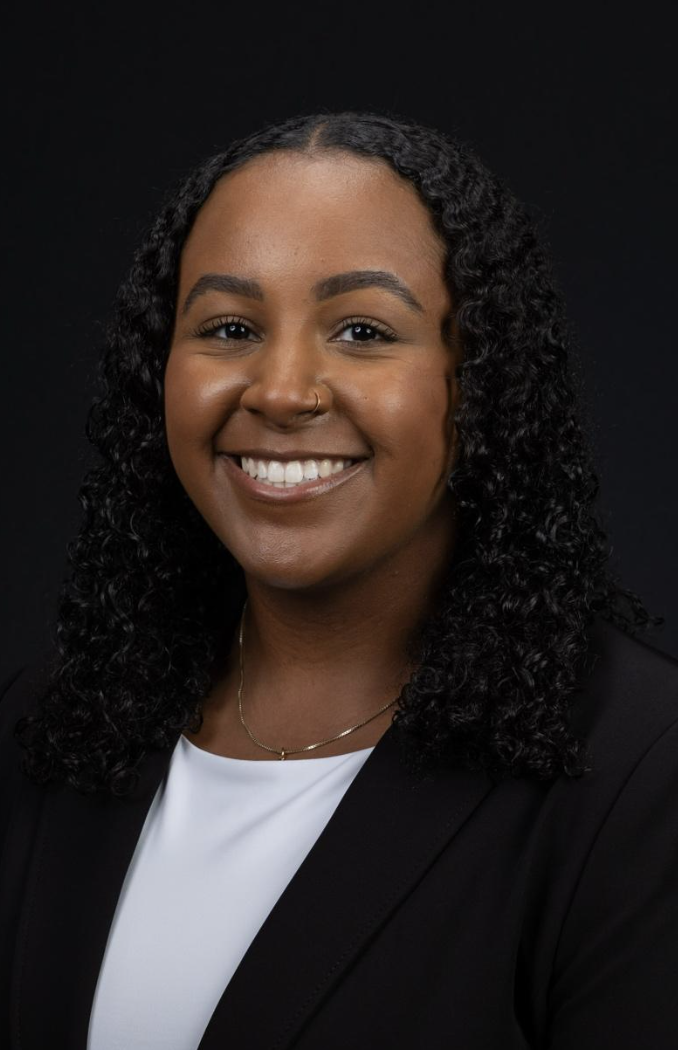
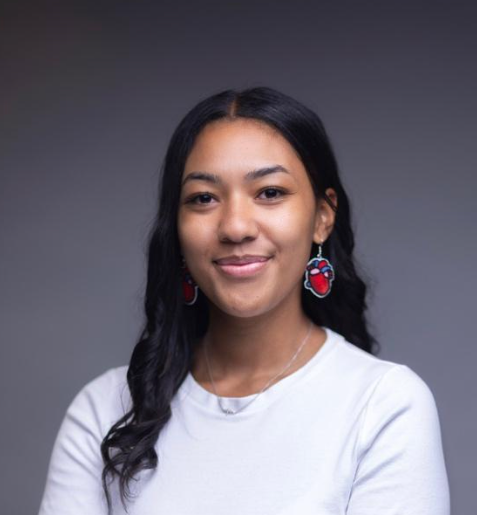
Hi! My name is Emma McKay-Sharpe, I am a 2nd year medical student at the University of Manitoba. I am from a small community in Manitoba, and am Jamaican and Red River Metis.
2nd Year, University of Manitoba
“Reconciliation becomes meaningful when reflection extends beyond one day.”
1. What does holding both Black and Indigenous heritage mean to you?
I am incredibly grateful to hold both Black and Indigenous heritage as I come from two different, but very loving cultures. My heritage has given me the opportunity to represent two strong communities that have shaped who I am today. It has also taught me to value the strength, resilience, and traditions within both communities while carrying those perspectives with me in everything I do.
2. How has your heritage influenced the kind of physician you hope to become?
My heritage has influenced me to become a physician that focuses on culturally safe and inclusive care. Growing up, I watched my family face adversity in their everyday lives, especially when seeking medical treatment. Ultimately, these disparities in care inspired me to become a physician that focuses on the needs of my communities, along with others I continue to learn about throughout my journey. I hope to create a space where patients feel that their identities, experiences, and cultural backgrounds are understood and respected as an important part of their care.
3. How do you think medicine can better serve Black, Indigenous, and Afro-Indigenous patients and communities?
Medicine can better serve Black, Indigenous, and Afro-Indigenous patients and communities through education and cultural involvement. It is extremely to important to become knowledgable about Black and Indigenous cultural practices, histories, and experiences, as these can influence how patients understand and engage with healthcare. beyond education, medicine must also listen to these communities and involve them in shaping healthcare practices and systems that directly affect them.
4. What does meaningful reconciliation look like to you, beyond wearing orange on September 30?
On September 30th, meaningful reconciliation looks like reflection and showing up for Indigenous communities. Whether you are reflecting on Phyllis Webstad’s story and the history of residential schools, it is important to also think about current actions that can be taken to better support our Indigenous population. To me, reconciliation becomes meaningful when that reflection extends beyond one day and translates into continued learning, advocacy, accountability, and action throughout the year.